Why Empire Earth: The Art of Conquest’s Space Era is still worth playing today

The Original Empire Earth came out in a time when expansion packs were still packaged in boxes. The cover of the Art of Conquest expansion features a Roman legionary, probably a centurion in his armor.

Inside the game, there was inclusion of a strange aspect to the game known as the Space Age.
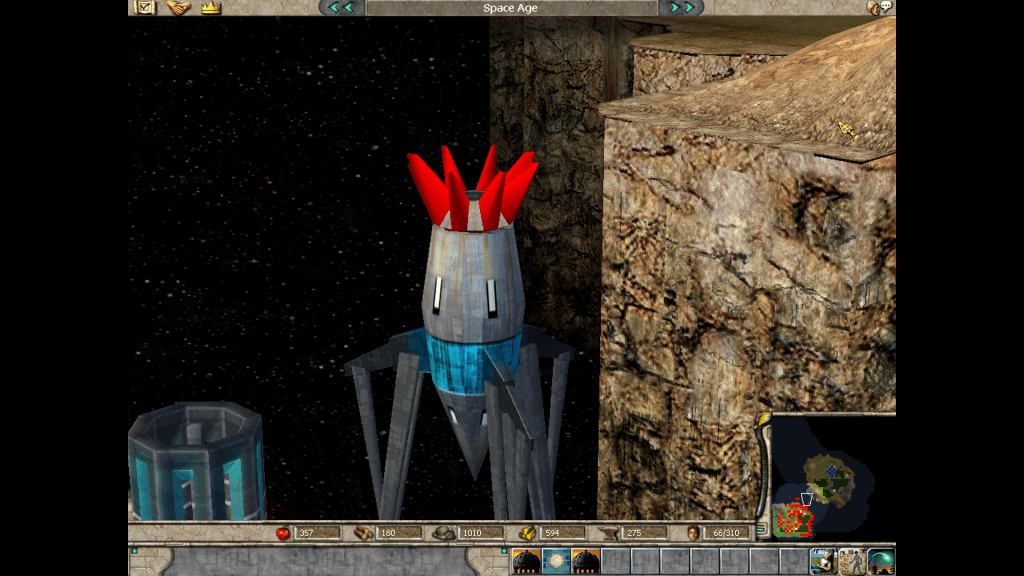
Empire Earth Space

In this screenshot above, you can see the stars in the background, beyond the Space Age tower.

It is quite apparent that the developers were ambitious with this expansion. Whereas they could have spent the time putting more focus on fleshing out the various civilizations in the game, they spent it on adding an entirely new part to the game, namely space.

In some sense, it is clear Empire Earth’s engine just wasn’t up to the task of rendering space.

Empire Earth Planets

When one looks at the planets in Empire Earth, they look like floating pieces rock in some High Fantasy story that have been transferred onto the great vastness of space. In my opinion, it looks out of place here

Space in Empire is similar to water but there is a big distinction here. There are no resources available in space. Everything that you need has to be on the land parts of the map. This means that space is merely just a physical barrier, which separates you and your opponents.
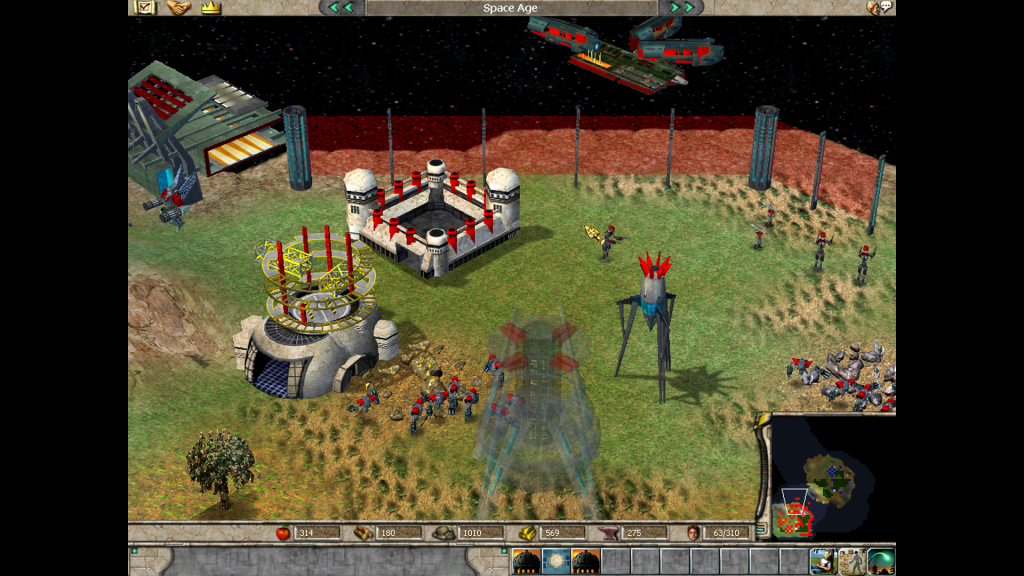
The walls in the Space Age get an upgrade. In this age, they shimmer like force fields in Star Wars. Stylistically, they are not as imposing as the Laser Walls that appear in the Digital Age.

The Clunky nature of playing a 2002 game

I remember playing Empire Earth in 2002. I did not touch the expansion at that time.

Now that I am playing it with having more 20 years of foresight, I can see how old software is having issues playing on what would seem like a supercomputer in those early Aughts.

In the game that I was playing, the game was running slow as various robotic citizens were being added to my planet. It was clear that the game was not optimized properly for modern computers.

GOG.com has done a great service for bringing older games back onto the computers of gamers.

The Space Era in the Empire Earth: Art of Conquest expansion is still worth playing now.

Empire Earth Space Age Battle

What makes it exciting is that clunky integration of space and land into the game.
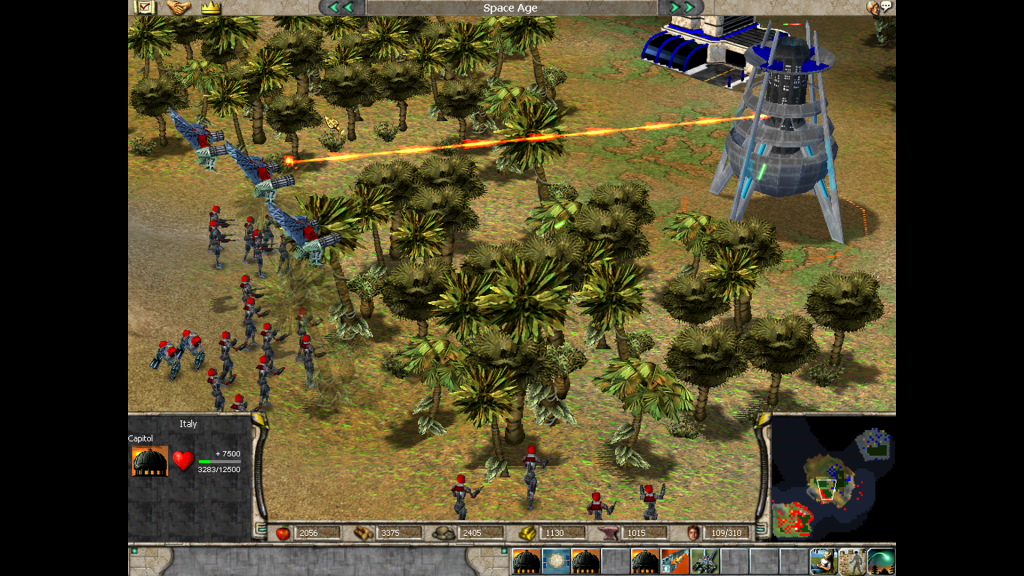
Empire Earth Ares

Empire Earth in its futuristic ages has something that the sequel does not have; it simply seems more holistic.
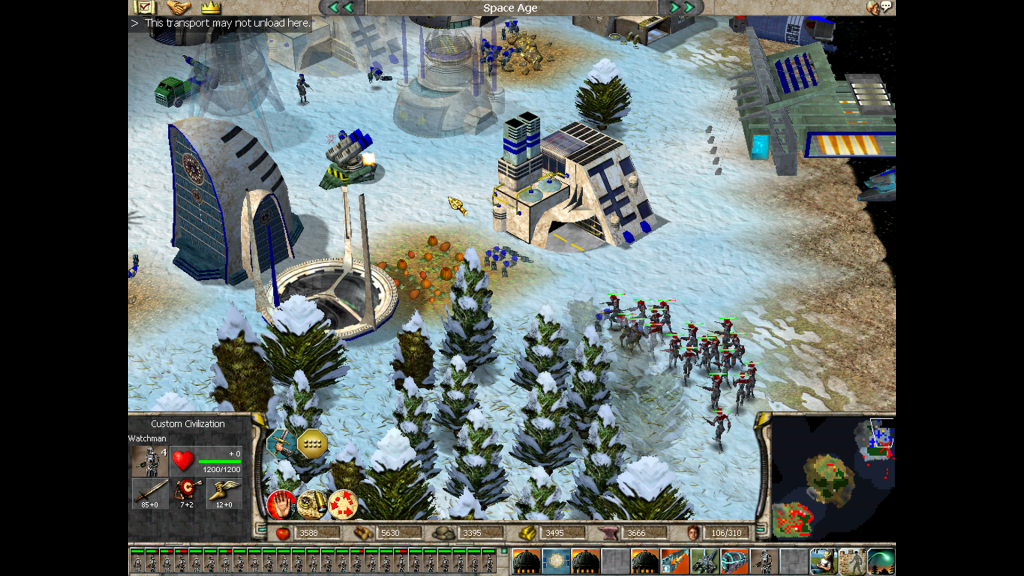
In some sense, I can understand why Empire Earth is still more popular than the sequel. That ability to build move units and build buildings wherever you want is important aspect of the game.

As I play the Space Age of Empire Earth: The Art of Conquest, I reminded of how games were once affordable and were actually worth the time and money you spent on them. That is why Empire Earth still holds a speical place in my gaming catalog.

Sometimes, a bit of clunkiness goes a long way to building character.
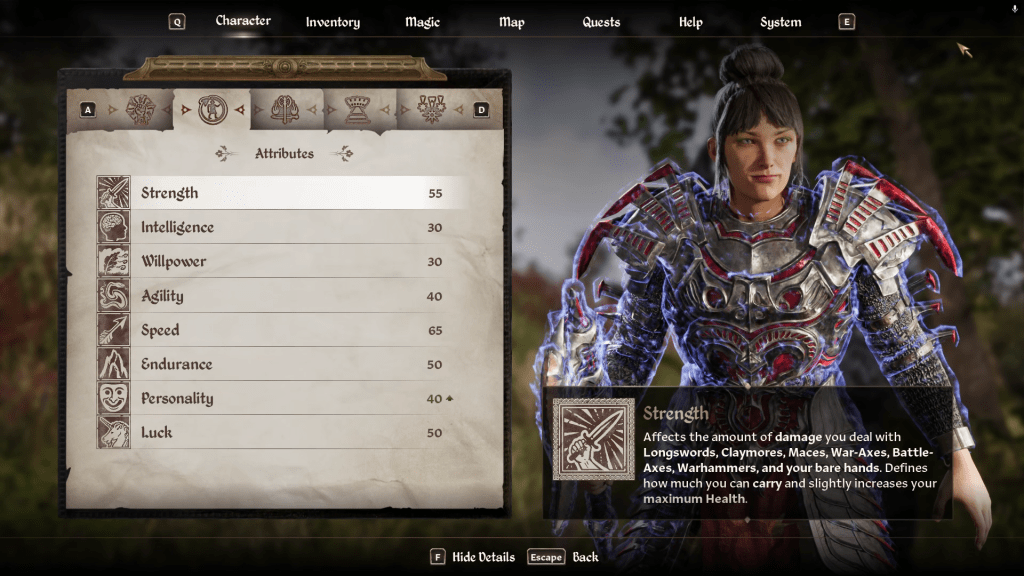
Why you should pick Speed as your attribute in Oblivion Remastered edition.

In my Oblivion Remastered playthroughs, Speed is my favored attribute. I currently play a female Nord Barbarian, and it is an incredibly interesting way to play the game.

Rather playing a lumbering knight or warrior, as a barbarian you focus on quick movement towards to victory over your opponents. The importance is on quick hits that have a concentration on damage over a slow battle. Speed tends to get not as much attention in the Elder Scrolls games. However, in Oblivion they are well worth your time and make the gameplay have more frantic and fluid pacing which helps to ease players with the somewhat clunky combat systems in the game.

What Empire Earth 2 has what modern games are missing in our contemporary age

It seems that there is no shortage of videos complaining about the state of video games. There are some users who try to say that the video game industry is healthy, but the truth is sobering that the industry is not healthy no matter what one says. It has been trending towards a state of stagnation and open disdain for the people who made it what it is today: the gamers.

Such sentiments seem to be arising out of a culture of complacency which seems to have seeped into the industry due to its own successes. The 1983 Video Game Calamity which struck the industry has been the rear-view mirror since Nintendo came and rescued the home video game market with the Home Entertainment System.

However, there is still a wealth of old games that are just waiting to be discovered once again and give us hope about the future of this great means of storytelling. One of those games is Empire Earth 2.

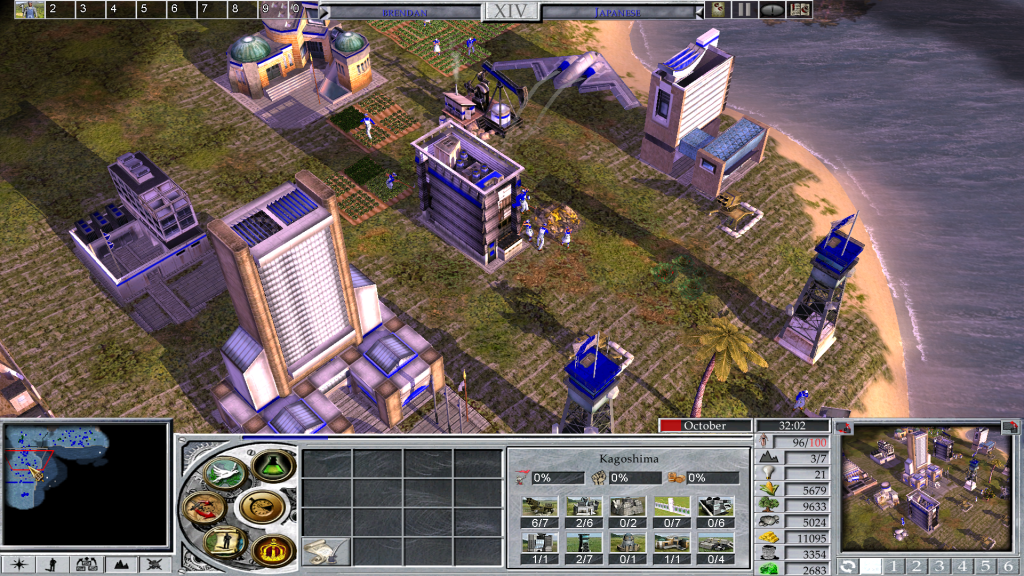
Empire Earth 2 Japanese City in Game.

The thing that Empire Earth II has the most modern games do not have is that the game show a desire for actual innovation while respecting its foundations that were in the original game.

The interface of Empire Earth 2 is more clunky than intuitive to the player. However, one can appreciate how the developers were trying to put as much effort into putting as many features as possible into the menu. Some games such as the recently released Civilization VII, represent a regression in showing information to the player. In Empire Earth 2, every button, every signal has a purpose. Maybe they overloaded the player with choices but I prefer more choice than not having any choice.

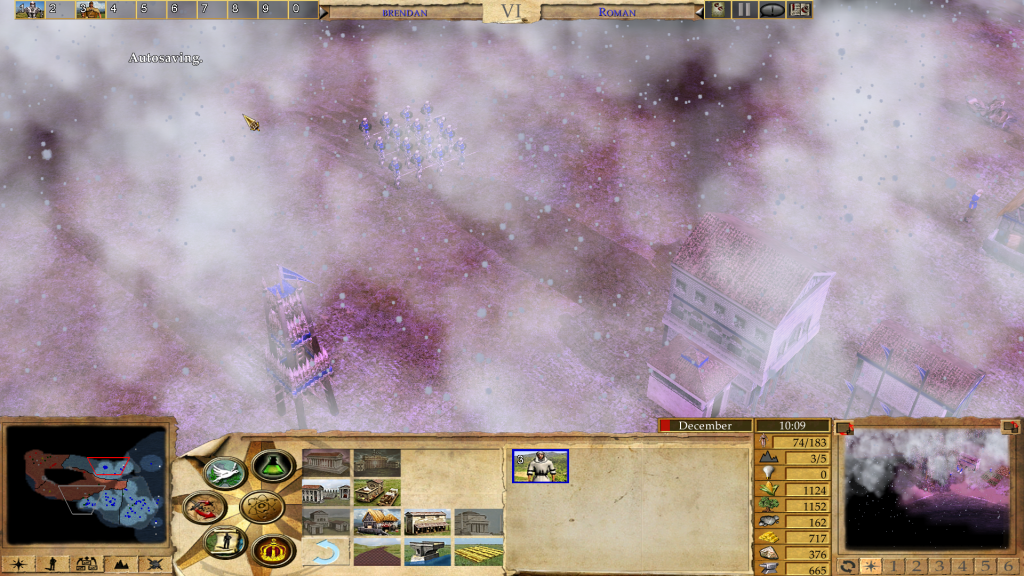
What I really love about this game is the weather effects. Age of Empires IV, in spite of being a beautiful game skimps on the weather and it shows. There is too much of a desire to optimize every single feature so people do not complain.

In my opinion, it is better to have people complain and have a great product. If it is able to stand on its own, the crowds will come regardless of initial skepticism surrounding the game.

What Empire Earth 2 has is ability to stand on its own without relying on nostalgia. The sequel is able to improve upon the foundations without disrespecting it. The game seems like a reasonable approach to the need for change and innovation in a game series that was very successful when it launched in the early 2000s.

Overoptimization is the bane of the Video Game Industry. Let’s return to rough around the edges.