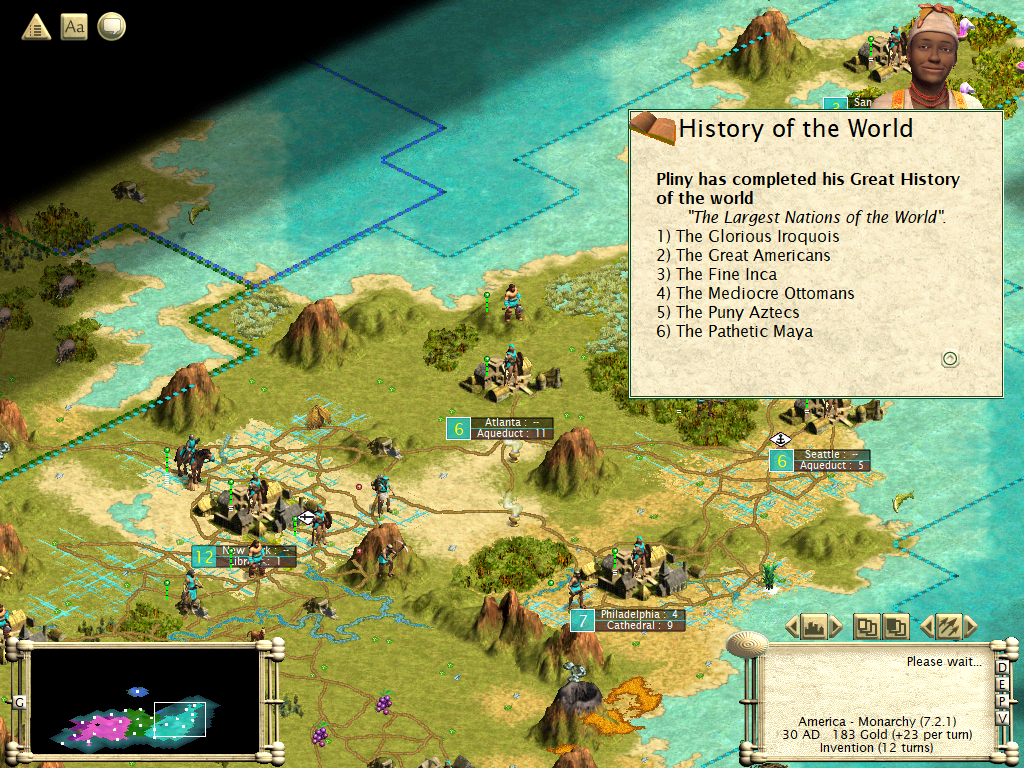
It is not surprising to me that Polygon, one of the most infamous gaming sites on the internet is having major job cuts. The video game industry’s journalism side has always been a strange place. On one hand, it began as an offshoot of the computer nerd magazines of the 1970s. Many people who started writing for such publications, were nerds and not activists. They just loved computers as much as the software and programming nerds.
However, video gaming has changed and we now have tons of publications that are run by activists. Many of them wished to be on cable news or some left-wing internet news site. Instead, they settled on video gaming where they can spread their influence into this industry.
For a while, it seemed that their influence was not going anywhere. They popped up in every search result on Google or Bing. Gamespot and IGN had been successful and Polygon just represented the next stage of online gaming journalism. However, things are not that simple.
Why is it that these publications are cutting jobs like crazy?
It’s because they were not writing about video games anymore.
Every game that came from a big developer was basically a review that was ”sponsored” and not the person’s actual opinion. Even on YouTube, which was once a haven of truth, had become infested with corporate sites.
The reviewers became obessed with checklists of what the game represented to them instead of focusing on what made these video games, simply video games. Too many sites wanted to impose Hollywood on video games.
Video games have to be allowed to be video games. That means that not everything has to be politically correct. The nature of games is similar to that of animation, too much regulation gets in the way of the medium’s ability to express ideas.
What journalists need to accomplish is go back to writing about the games not about the politics. That what we want as gamers as the industry continues its changes.
The Elder Scrolls IV: Oblivion is a game that has often been long in the shadow of Skyrim. In many ways, Skyrim overtook the attention of the middle child, Oblivion, and took away its toys.
The 2011 Elder Scrolls Game, Skyrim, which takes place in the homeland of the Nords sold over 60 million copies. A game which sells that many copies isn’t simply a success, but it has an imprint on gaming culture. The game has been so dominant for so long that Bethesda has struggled with finding a plan to develop a sequel that would be able to surpass it.
Skyrim with its better graphics and more streamlined experience allowed for it greatly surpass Oblivion. Many gamers enjoyed Skyrim without knowing that there have been four separate games in the Elder Scrolls Series before Skyrim. For many players, Skyrim is The Elder Scrolls.
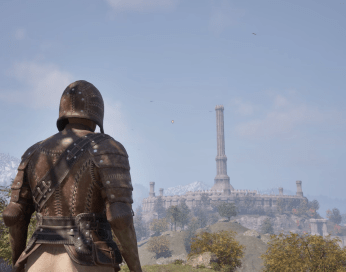
The Imperial City in Oblivion’s original version always seemed to be a bit too gray in its style.
Oblivion was always the dark horse and was obscure for many years. The Remastered Edition brings Oblivion back into the spotlight. It also shows what the contemporary Video Game industry is now missing in its spirit. That spirit is what made so many classic games. Now, the video game industry is simply unable to build anything that can truly surpass the older generations of games.
When one compares the original Oblivion and Oblivion Remastered, one can see that Oblivion and Skyrim were merging in the new version.
Saliith training in the Arena in the Imperial City. Notice how the columns of the building they are training has more distinctive details, allowing for the city to have an even more Greco-Roman look to it.
While the older version of Oblivion was more colorful, Oblivion Remastered is more similar in style in both graphics and its UI to Skyrim. In the screenshot above, one can see that the game has a more desaturated look in comparison to the older Oblivion versions.
The walls surrounding Bruma seem like they could right at home in Skyrim. One city that it reminds of in Skyrim is Whiterun or even Solitude.
How the Heartlands looked like in OC Oblivion 2006.
As you can see in the screenshot above, the original game had a more colorful look in comparison.
The Orcs in the original game had deeper tones of Green as shown here.
The Original look for the Orc Race in The Elder Scrolls IV: Oblivion (2006).
Compare that to the graphics here:
The New Look for the Arena Light Raiment in Oblivion Remastered (2025).
These are same pieces of clothing here. The big difference is the realism of the cloth and the colors. Unlike in the original version of Oblivion, the colors in the Remastered edition do not have the dark blue shade. The raiment in OC Oblivion looks like someone dipped the clothes into a blue dye. The blues are very dark while in the Remastered edition, the blues seem to be more realistic and also have some dirt on them.
Another area of comparison is that of the Imperial City, which has the most NPCs in the game.
Imperial City in The Elder Scrolls IV: Oblivion (2006).
The greenery and bluish tones of the Original Oblivion seem go well with each other. The main area which changes this look is the lighting and how shadows are rendered in the game. Unreal Engine 5 is a true leap in being able to provide more depth and details to shadows. However, what this does to the game is gives it a more realistic look which makes it seem more historical in a sense.
Imperial City in Oblivion Remastered Edition.
As you can see, lighting makes all the difference here. The game now seeks to make The Elder Scrolls less like a Tolkein style game and more like more recent games such as Elden Ring and Avowed. Some of this trend towards darker lighting seems to be a product of both technology and cultural changes as a result of Skyrim’s dominance in the RPG genre.
The thing that is most striking about the differences between versions is the sky is more realistic and more desaturated. Having this change in how shadows and lighting being rendered in the game has taken away some of the color that was prominent in the OC Oblivion.
Imperial City Talos Plaza Oblivion Remastered
The Remastered version is faithful in reproducing the locations of the original game. However in one aspect of the Imperial City that caught my attention is the addition of these blue tinted shingles on buildings in the Talos Plaza District in the Imperial City. In my opinion, this is a great addition to the game and helps bring out more color to the city.
The original game’s Imperial City was more grayish in its style and I see that the shingles having a color now makes it more interesting now.
These changes show the how the Video Game industry has improving in the realm of fidelity and made a leap into almost photorealistic graphics.
Imperial City in the original version of the Elder Scrolls IV: Oblivion.
What Oblivion Remastered accomplishes is being faithful to the original game while updating some aspects of the gameplay. I think that the success of the release alongside newer titles is a testament to Oblivion’s excellent design, music and overall atmosphere.
It is no secret that if you build something then people will come. When Bethesda made Elder Scrolls IV: Oblivion, it is clear that there was something special about that game.
What was special about Oblivion?
It goes to the way that the game gave us a living breathing world to explore in.
This is a big reason why the game was so successful upon launch while other games were just languishing in the shadows.
Many recent open world Role playing games, such as Star Wars: Outlaws and Avowed have simply been lacking in details that gamers want now.
Oblivion Remastered helps to bring back that living breathing world with new graphics that truly make it seem more like a remake than a remaster of a classic game.
The people who made the remaster, were respecting the past while also enhancing Oblivion for the future so that gamers can continue enjoying it.