The most interesting city for me in Oblivion was the Imperial City. In comparison to the other cities in the game, this was the one that had the most NPCs. When I played the original game, this was the place that I had the most interest in because of how many people were walking in the streets.
Oblivion’s Sparse Streets Have Charm in 2025.
While the streets may seem sparse now, many games are not capable of having NPC schedules or having them engage in dialogue with other NPCs. In 2006, when Oblivion was originally released, there were not many such games. Only Rockstar and a couple other developers in the gaming industry had the resources and skills to make living, breathing worlds that made you feel like you were there.
That is what is missing in modern games, that sense of immersion.
That immersion is incredibly important in making you want to stay and play a game. When you have games like Avowed which are basically even worse in immersion than Morrowind, it shows that the industry is stagnant and focusing on old glories.
That is why I think Oblivion is so popular right now.
So many games have been disappointments and promise the world but only give us a puddle to go through.
Oblivion simply gives us what we want with competency with soul and heart.
That is why the game has helped to revive this classic game.
The Elder Scrolls IV: Oblivion is a game that has often been long in the shadow of Skyrim. In many ways, Skyrim overtook the attention of the middle child, Oblivion, and took away its toys.
The 2011 Elder Scrolls Game, Skyrim, which takes place in the homeland of the Nords sold over 60 million copies. A game which sells that many copies isn’t simply a success, but it has an imprint on gaming culture. The game has been so dominant for so long that Bethesda has struggled with finding a plan to develop a sequel that would be able to surpass it.
Skyrim with its better graphics and more streamlined experience allowed for it greatly surpass Oblivion. Many gamers enjoyed Skyrim without knowing that there have been four separate games in the Elder Scrolls Series before Skyrim. For many players, Skyrim is The Elder Scrolls.
The Imperial City in Oblivion’s original version always seemed to be a bit too gray in its style.
Oblivion was always the dark horse and was obscure for many years. The Remastered Edition brings Oblivion back into the spotlight. It also shows what the contemporary Video Game industry is now missing in its spirit. That spirit is what made so many classic games. Now, the video game industry is simply unable to build anything that can truly surpass the older generations of games.
When one compares the original Oblivion and Oblivion Remastered, one can see that Oblivion and Skyrim were merging in the new version.
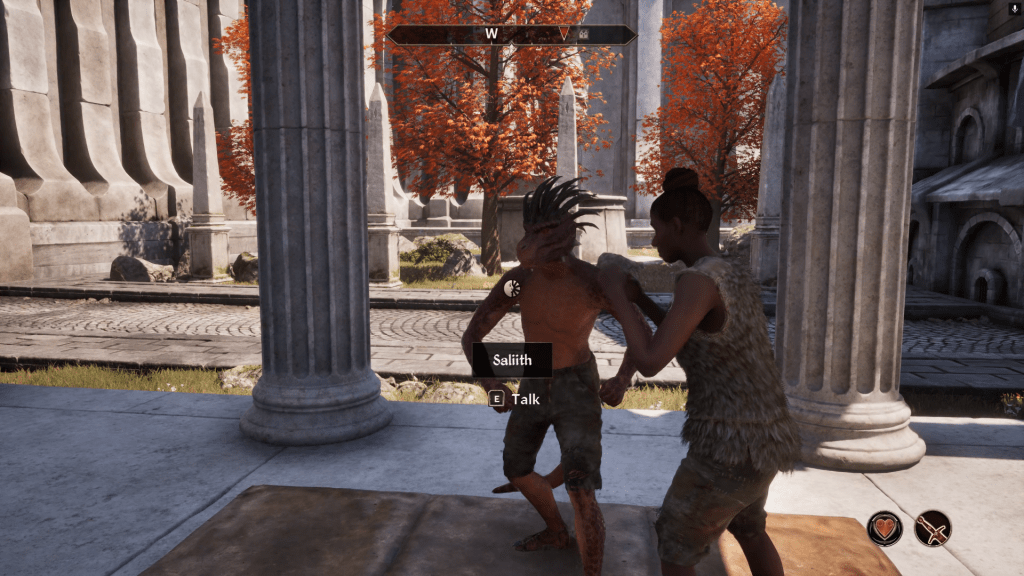
Saliith training in the Arena in the Imperial City. Notice how the columns of the building they are training has more distinctive details, allowing for the city to have an even more Greco-Roman look to it.
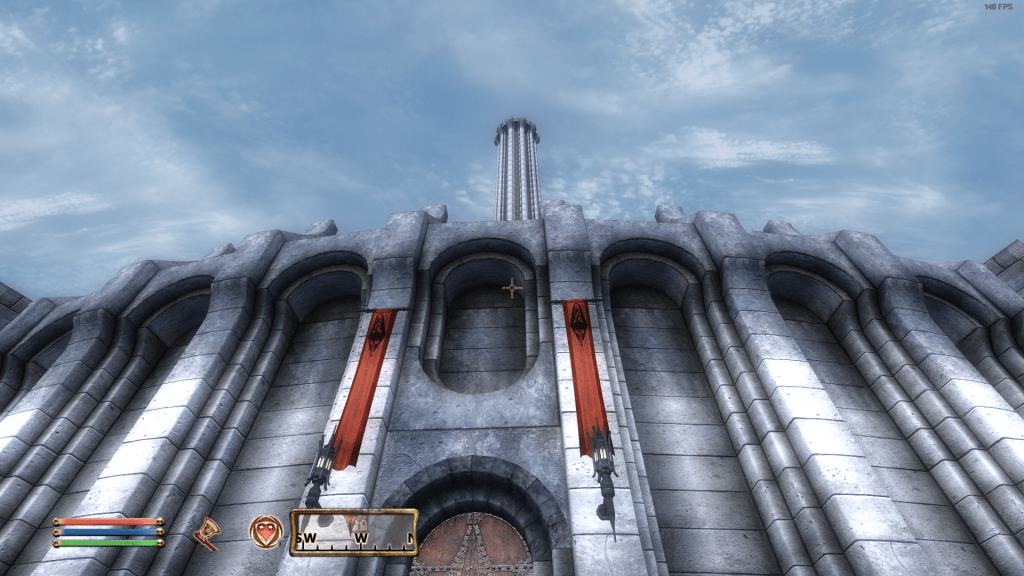
While the older version of Oblivion was more colorful, Oblivion Remastered is more similar in style in both graphics and its UI to Skyrim. In the screenshot above, one can see that the game has a more desaturated look in comparison to the older Oblivion versions.
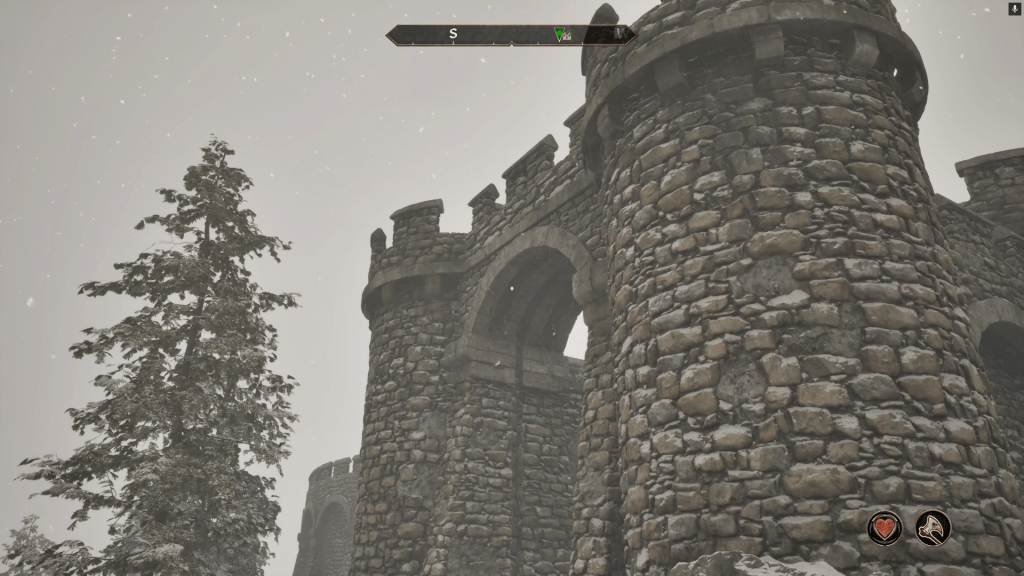
The walls surrounding Bruma seem like they could right at home in Skyrim. One city that it reminds of in Skyrim is Whiterun or even Solitude.
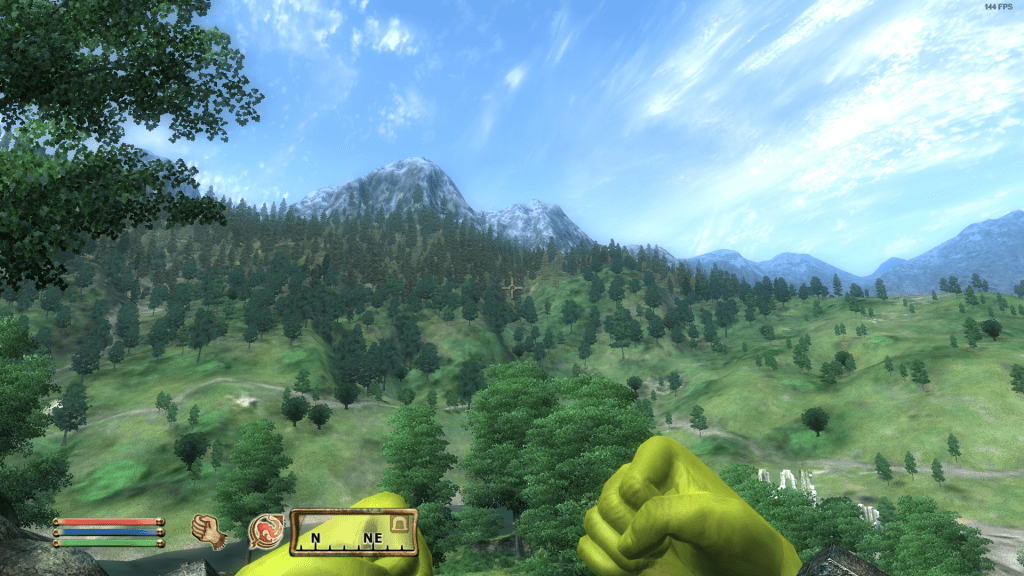
How the Heartlands looked like in OC Oblivion 2006.
As you can see in the screenshot above, the original game had a more colorful look in comparison.
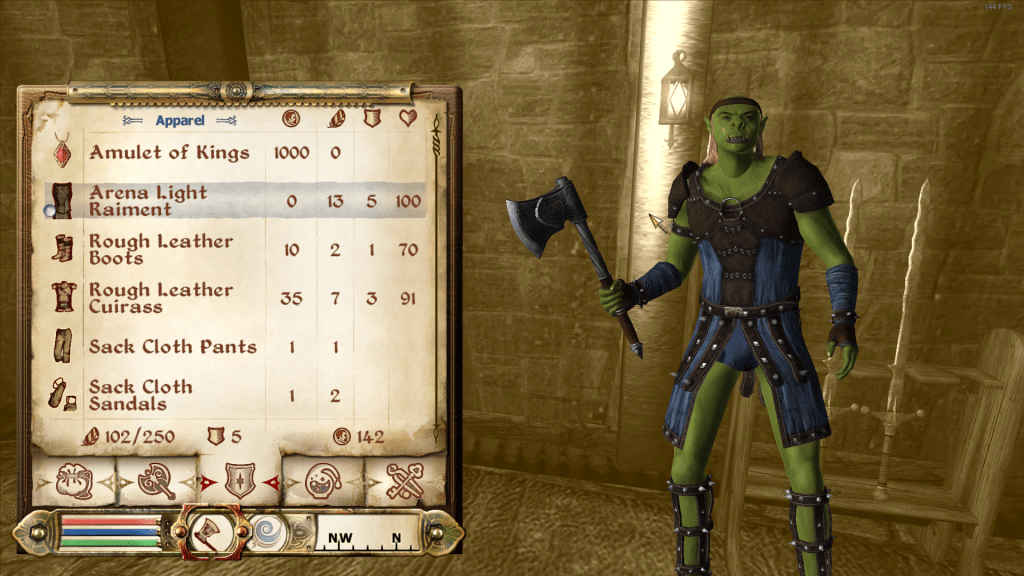
The Orcs in the original game had deeper tones of Green as shown here.
The Original look for the Orc Race in The Elder Scrolls IV: Oblivion (2006).
Compare that to the graphics here:
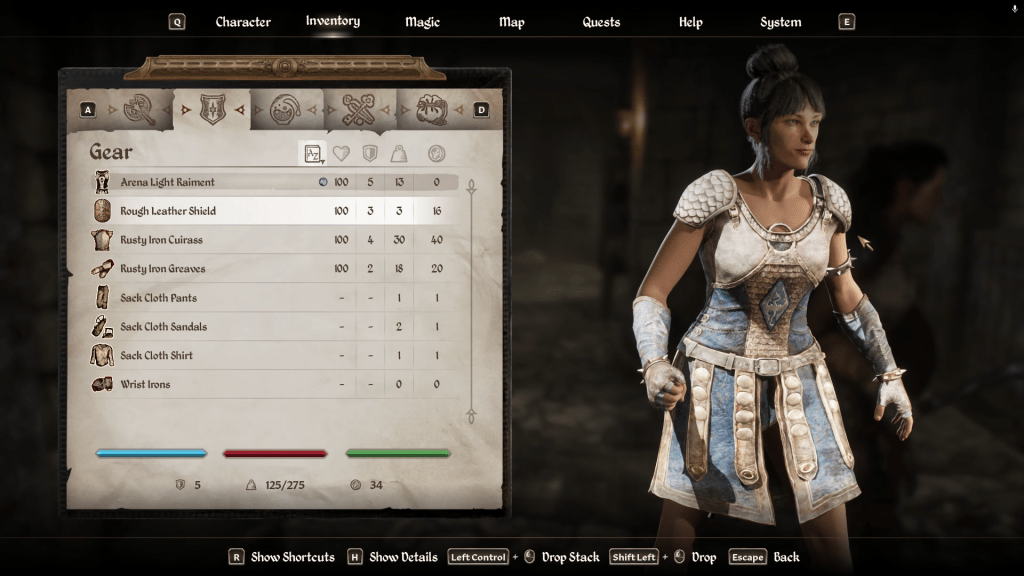
The New Look for the Arena Light Raiment in Oblivion Remastered (2025).
These are same pieces of clothing here. The big difference is the realism of the cloth and the colors. Unlike in the original version of Oblivion, the colors in the Remastered edition do not have the dark blue shade. The raiment in OC Oblivion looks like someone dipped the clothes into a blue dye. The blues are very dark while in the Remastered edition, the blues seem to be more realistic and also have some dirt on them.
Another area of comparison is that of the Imperial City, which has the most NPCs in the game.
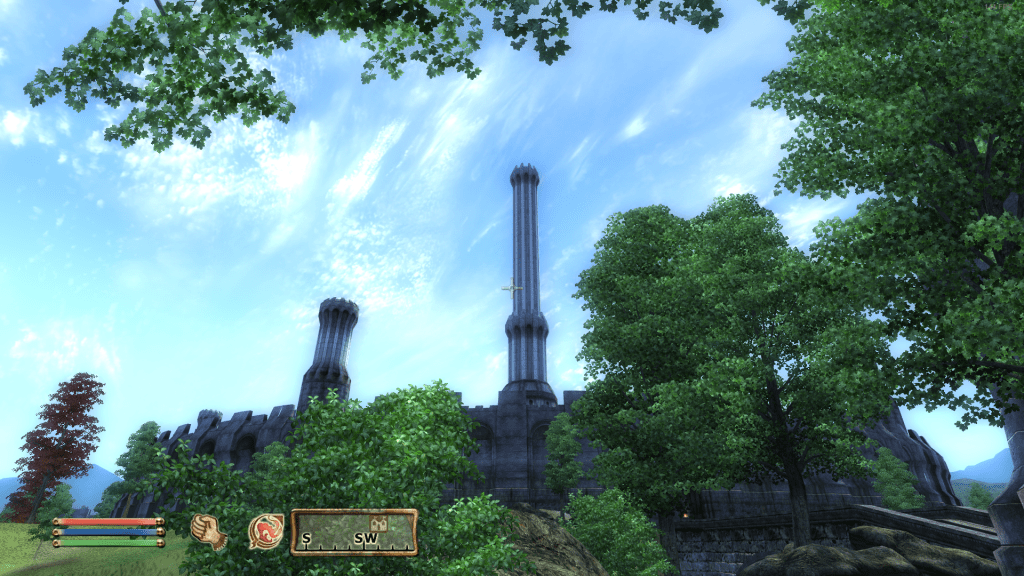
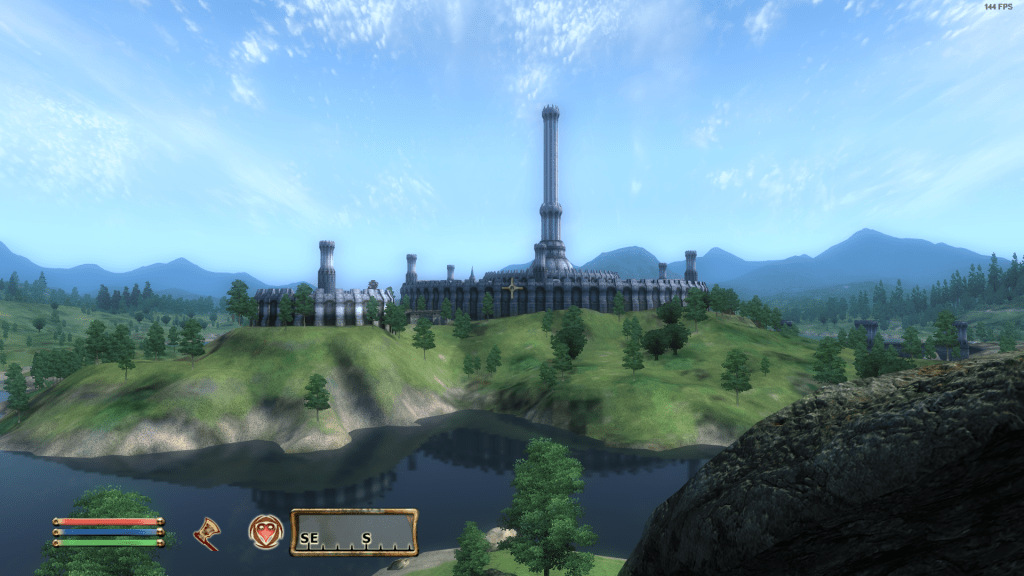
Imperial City in The Elder Scrolls IV: Oblivion (2006).
The greenery and bluish tones of the Original Oblivion seem go well with each other. The main area which changes this look is the lighting and how shadows are rendered in the game. Unreal Engine 5 is a true leap in being able to provide more depth and details to shadows. However, what this does to the game is gives it a more realistic look which makes it seem more historical in a sense.
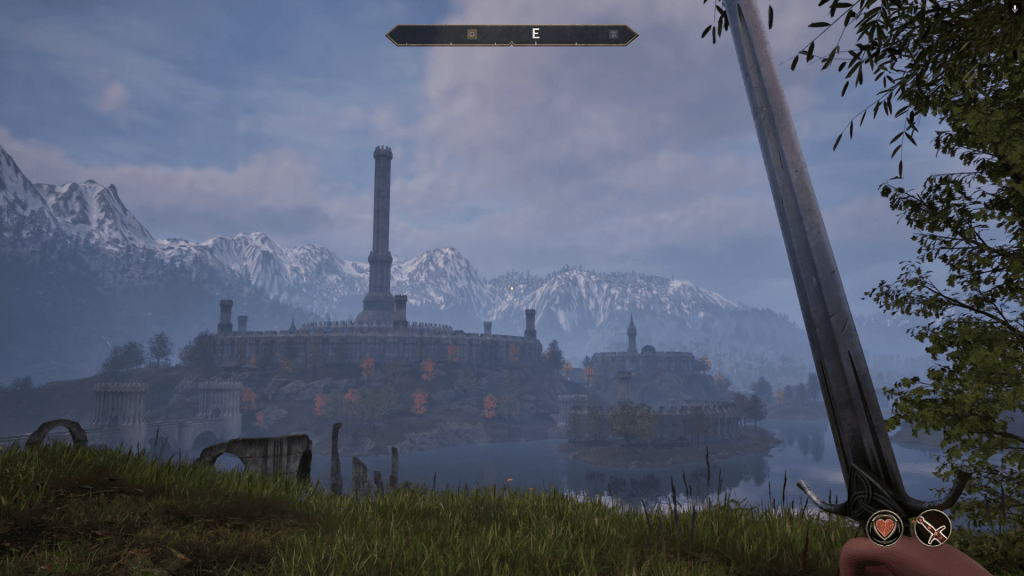
Imperial City in Oblivion Remastered Edition.
As you can see, lighting makes all the difference here. The game now seeks to make The Elder Scrolls less like a Tolkein style game and more like more recent games such as Elden Ring and Avowed. Some of this trend towards darker lighting seems to be a product of both technology and cultural changes as a result of Skyrim’s dominance in the RPG genre.
The thing that is most striking about the differences between versions is the sky is more realistic and more desaturated. Having this change in how shadows and lighting being rendered in the game has taken away some of the color that was prominent in the OC Oblivion.
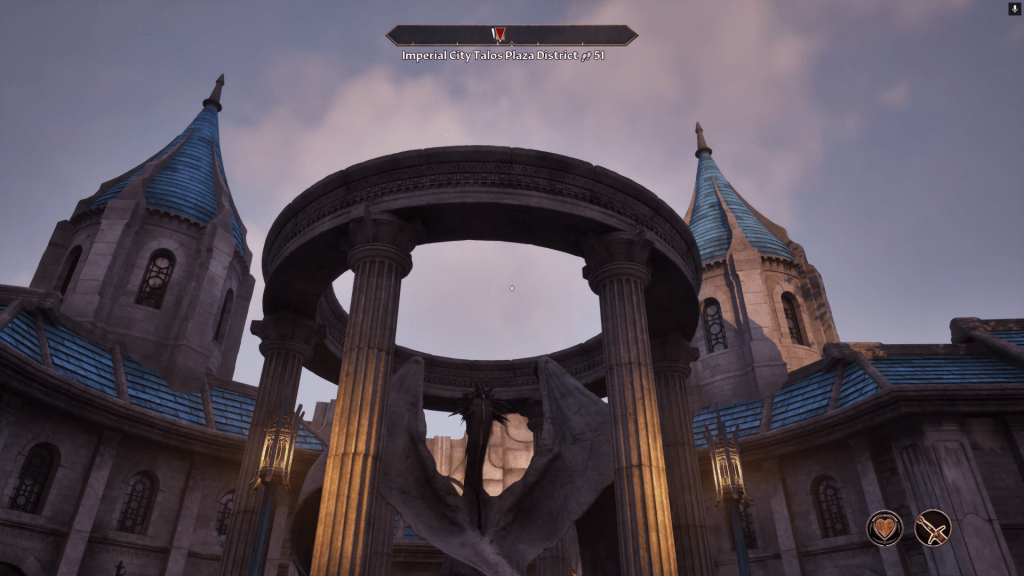
Imperial City Talos Plaza Oblivion Remastered
The Remastered version is faithful in reproducing the locations of the original game. However in one aspect of the Imperial City that caught my attention is the addition of these blue tinted shingles on buildings in the Talos Plaza District in the Imperial City. In my opinion, this is a great addition to the game and helps bring out more color to the city.
The original game’s Imperial City was more grayish in its style and I see that the shingles having a color now makes it more interesting now.
These changes show the how the Video Game industry has improving in the realm of fidelity and made a leap into almost photorealistic graphics.
Imperial City in the original version of the Elder Scrolls IV: Oblivion.
What Oblivion Remastered accomplishes is being faithful to the original game while updating some aspects of the gameplay. I think that the success of the release alongside newer titles is a testament to Oblivion’s excellent design, music and overall atmosphere.
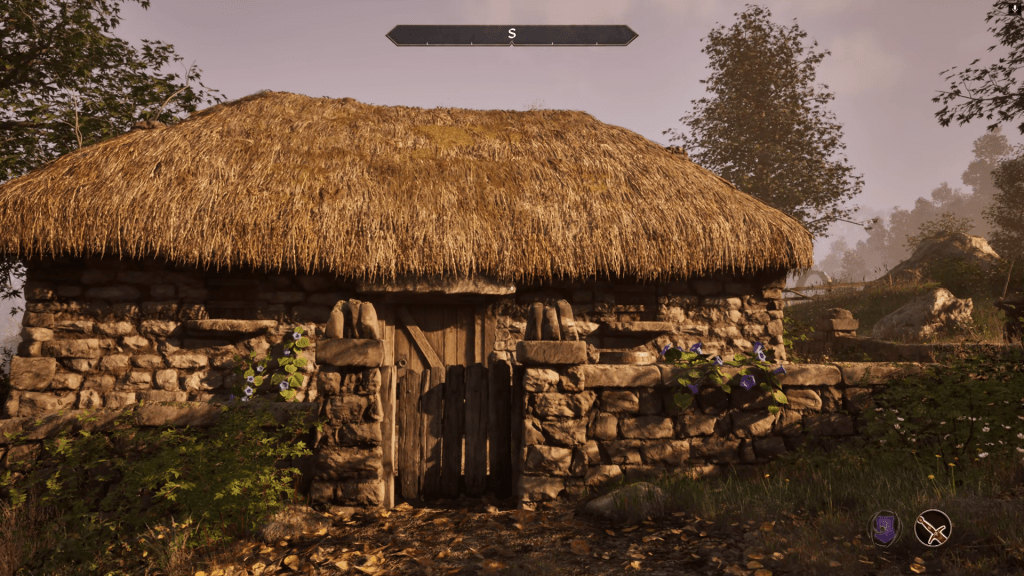
There are some locations in Oblivion Remastered which are so beautiful one has to take a screenshot before moving on to their next objective here. I think that the greatest aspect of Oblivion in the original version was the graphics around the Imperial City. I would always go on the bridge going towards Weye, a small hamlet with an Inn and man’s farm with some flowers on the stone walls surrounding it.
The beautiful cottage of Weye right at the bridge which goes to the Imperial City in Oblivion Remastered edition.
This cottage outside the Imperial City represents what I love about Oblivion. It is a game which understands how to utilize its environment to make it truly inviting to the player.
With the usage of Unreal Engine 5, the game looks better than ever. As I have stated in previous articles, the game is not the same painterly look as in the original game. However, now Oblivion has a more lived in look rather than this painterly, almost Monet style of appearance.
I think what I just love about it is how cozy it is.
Cozy games have generally been seen as the domain of the casual gamer.I think it would great to see more people in the Gaming industry attempt to give players an ability to breathe. Not all games have to be full of nonstop action.
Too many games are about being realistic but boring. Oblivion Remastered manages to accomplish being an exciting game with new graphics which truly flesh out Cyrodiil.
 My Game Reviews