Google Lyria is a useful platform for making AI music. I have already written about how to use Google Lyria in order to make songs on the platform here.
Here is how to make longer songs on Google Gemini with Lyria.
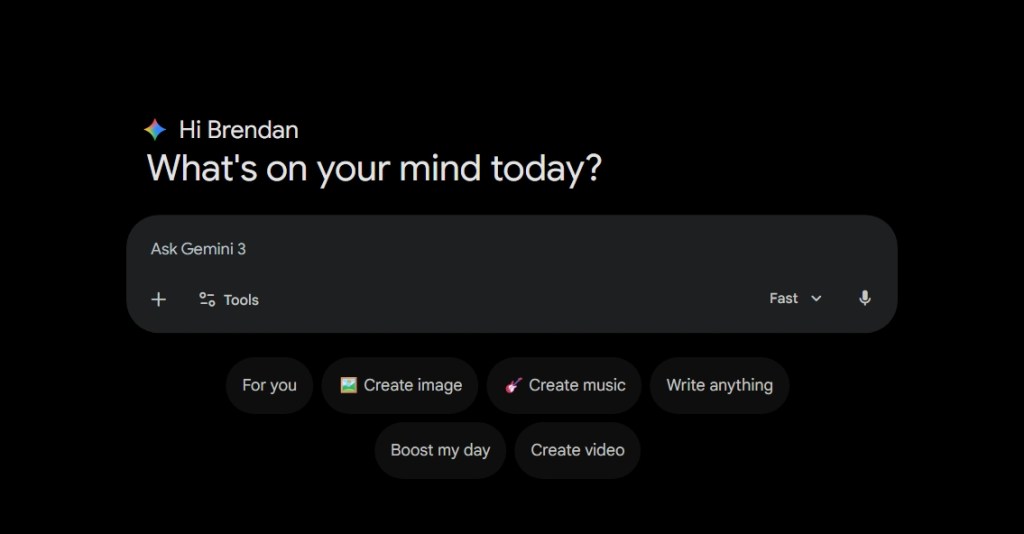
Step 1: Go to Google Gemini and Select Create Music
Step 2: Select Create music and make sure the model is on “Thinking”.
Step 3: Write in your prompt
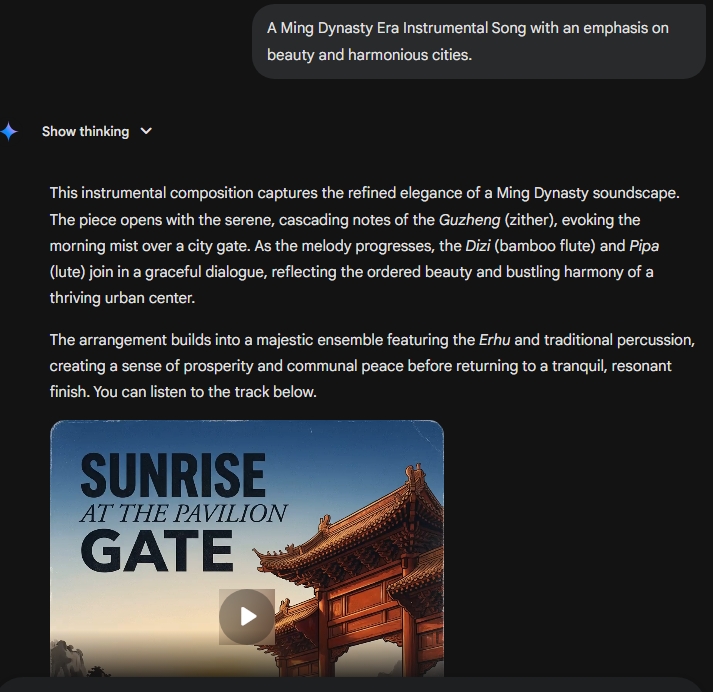
Step 4: Analyze your results
Once Gemini is complete you will be able to hear the whole song. When the model is on “Thinking”, it is able to create roughly three-minute songs rather than the default 30 seconds on “Fast” settings.
Within the result, Google Gemini’s Lyria music creator is able to describe the multiple instruments involved in the creation of the song here.
The song is now available for download onto your PC or to share on social media.
Google Lyria 3 is one of the most powerful AI music generators here.
Suno AI is still the best when it comes to studio level music generation but Google is showing it is very much competitive in this space.
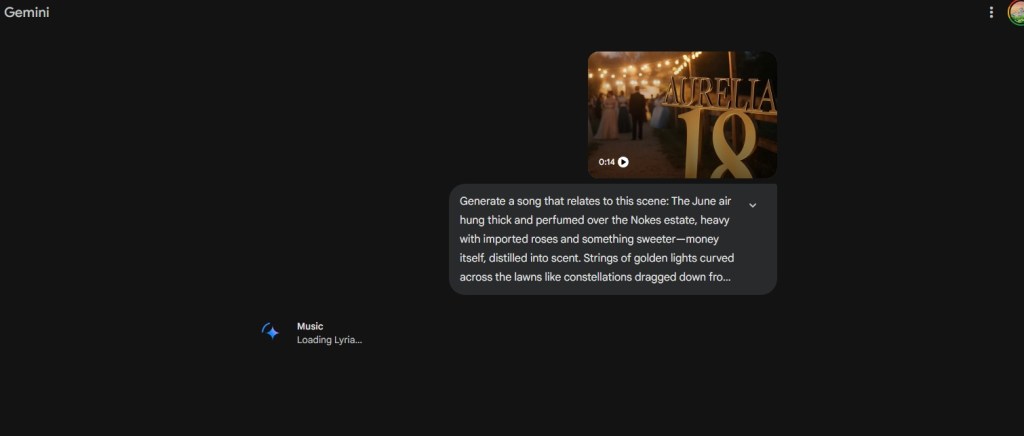
One of the most intriguing aspects of the chatbot is the ability to attach a video and have it create music out of that video.
There are two options to approach this.
You can attach a video and then write a text prompt to elaborate on what song wish to have here.
You can simply attach a video just to experiment to see what Lyria makes here.
My recommendation here is that you should attempt to write a prompt because from my experience, Lyria has a tendency to create songs with vocals. While the vocals are great, I am more of an instrumental guy. I love Baroque and Classical Music and that is the genre I prefer to see created from such prompts here.
The amount of time it takes to create a song from a video is impressive. It only takes about a couple seconds, another advantage Google gained over Open AI’s ChatGPT platform here.
The ability for Google Lyria to make songs out of a video is one those things that only existed in the imaginations of writers who dabbled in the realm of speculative stories.
Now, that power is the hands of average users. While some may complain about creativity, I think we should use these tools in order to enhance our imaginations.
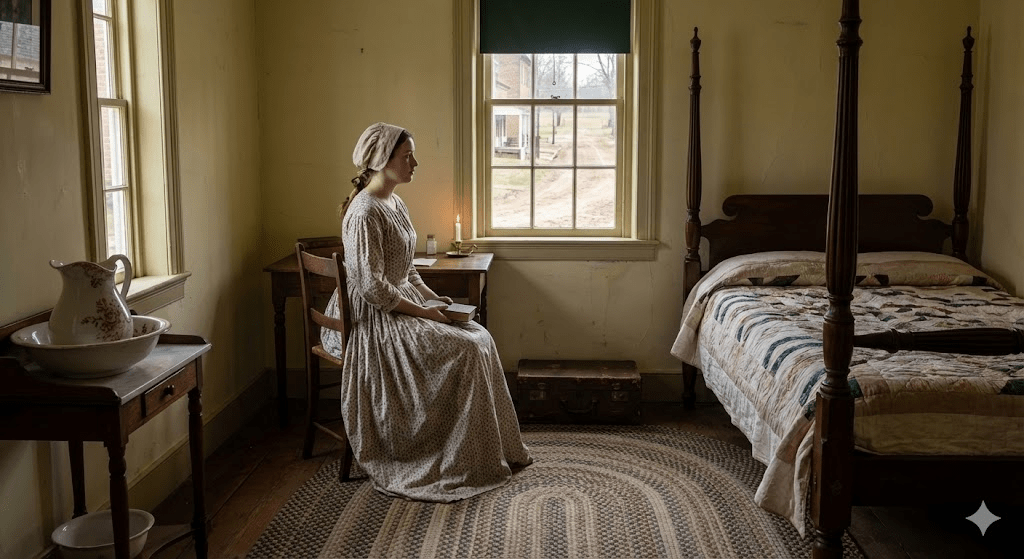
I have spoken many times about how great Google Gemini is. Here, I talk about how it can be used in historical education because of its high realism. These are not the stylized images of Dalle-3 but something that has weight in the depiction of reality. This ability to recreate reality is very important in education as ChatGPT and Google Gemini already have research tabs to allow for students to improve their understanding of the past.
The image above comes from the prompt: Create photorealistic image of a young Middle Class woman in Martinsburg, Virginia in her room in 1840 era.
Such AI generations are more accurate than previously and you can ask Gemini to elaborate on these images, especially if you see something incorrect in the image.
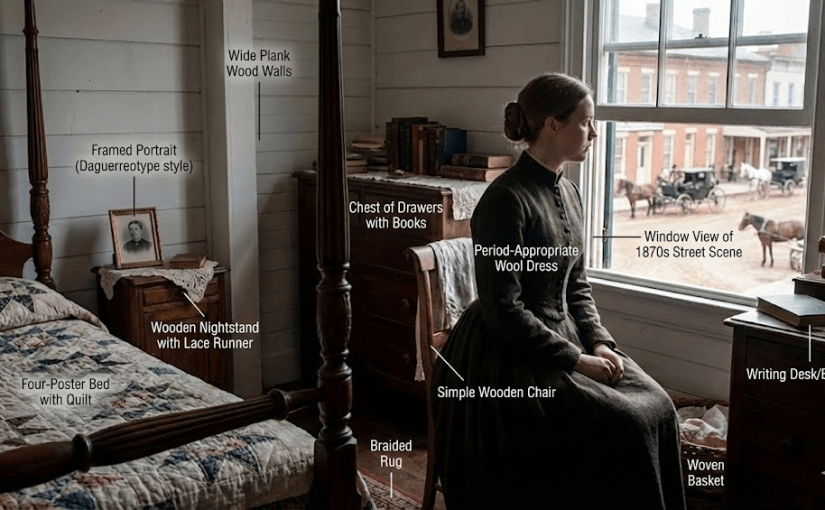
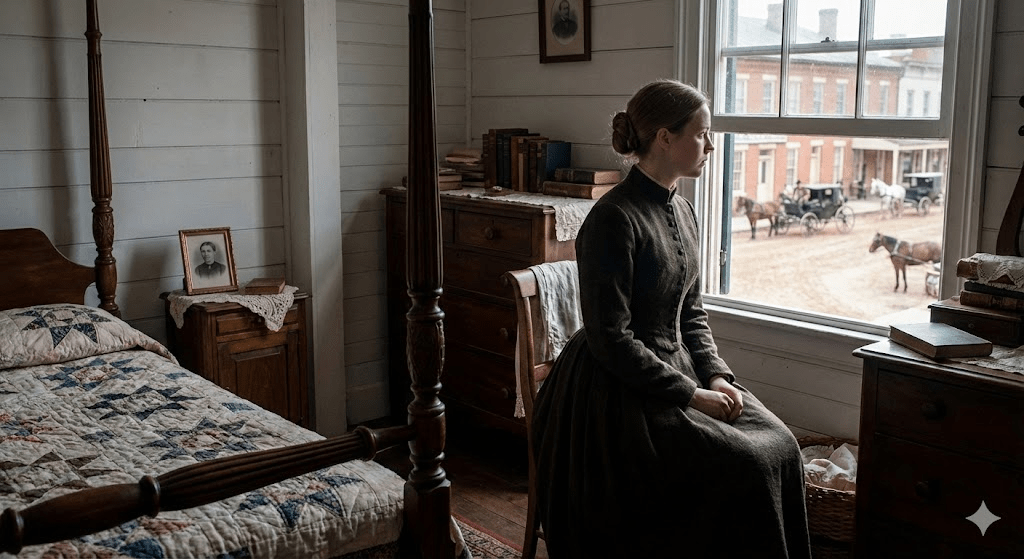
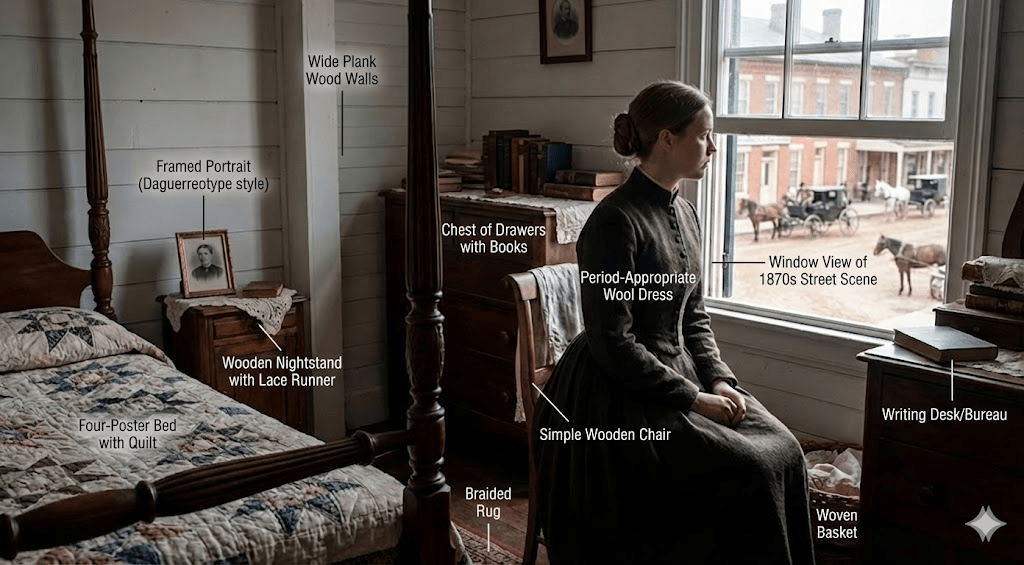
One such elaboration beyond correcting anachronisms is the ability to label everything in that image. Here is an example.
The image above comes from the prompt: Create photorealistic image of a young Middle Class woman in Martinsburg, Virginia in her room in 1870 era.
Next I use the prompt for the chatbot to label the photo: Take this image and label everything that is historically relevant for teaching about this age in interior design and style.
You would have had to research specific sections separately just to be able to know what each of these elements meant in context. Such a tool as Gemini proves that AI is not just about “taking” people’s jobs or hobbies but enhancing them and making look at our surroundings more closely.
The implications for education can revitalize a rather stagnant profession. This can be way of putting in Socratic thinking into schools, connecting ideas in concentric relationships instead of the linear ideas I was exposed to when I was in my schooling age. There will be people who criticize these tools for stealing people’s art or photographs. My response is that we should be heterodox on this issue.
Chatbots such as ChatGPT are only getting more sophisticated at creating historical images. Teachers should be attempting to use these tools and encourage their students to learn how to use them.
There were many early stories about students using ChatGPT in order to cheat. Now is the time to be able to help students use these tools to understand the nature of their history and societies.


 My Game Reviews